-
Table of Contents
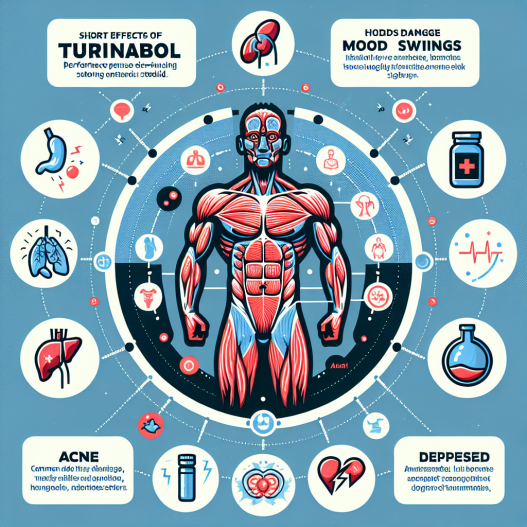
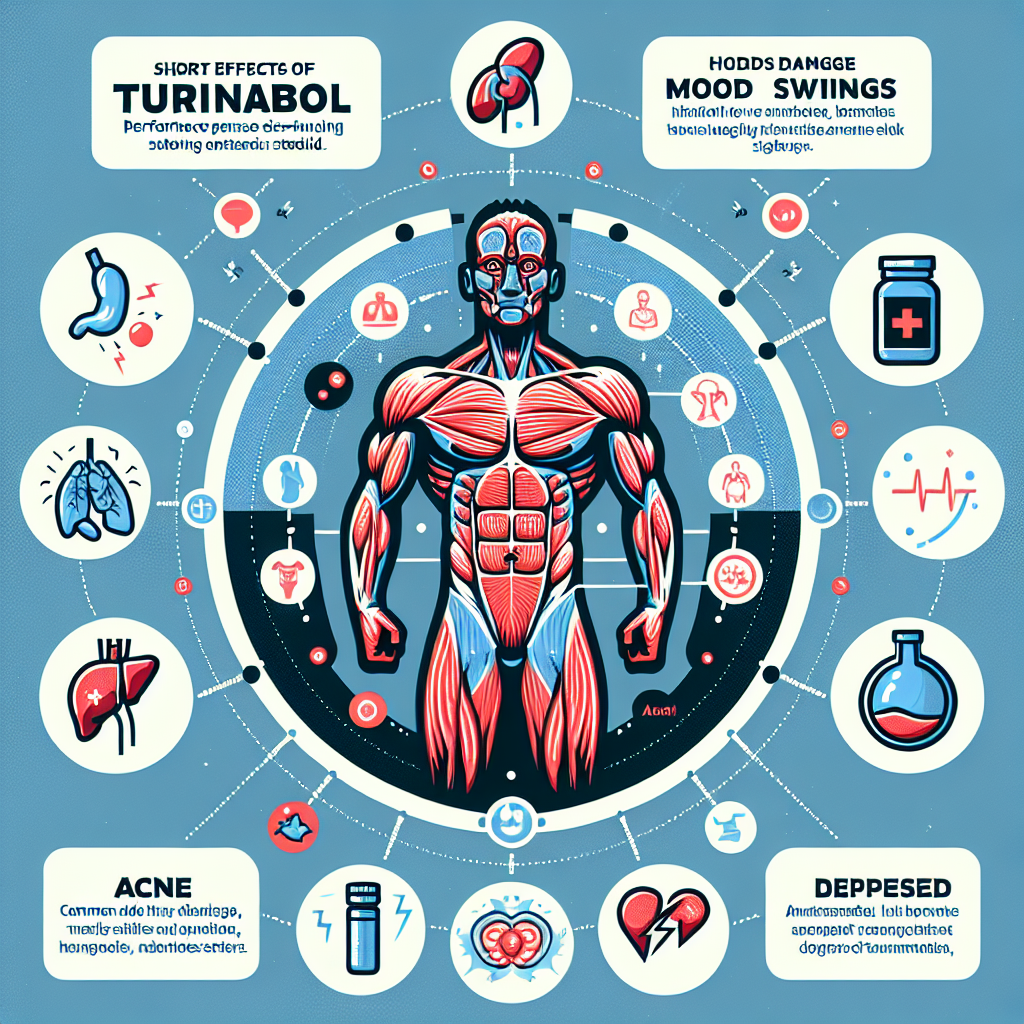
Short-Term Side Effects of Turinabol
Turinabol, also known as 4-chlorodehydromethyltestosterone, is a synthetic anabolic-androgenic steroid (AAS) that was developed in the 1960s by East German scientists. It was primarily used to enhance athletic performance and was given to athletes without their knowledge, leading to its ban by the International Olympic Committee in 1974. Despite its ban, turinabol is still used by some athletes and bodybuilders due to its ability to increase muscle mass and strength. However, like all AAS, turinabol comes with potential side effects. In this article, we will discuss the short-term side effects of turinabol and their impact on the body.
Metabolic Effects
Turinabol is a modified form of testosterone, which means it has both anabolic and androgenic effects on the body. Anabolic effects refer to the increase in muscle mass and strength, while androgenic effects refer to the development of male characteristics such as facial hair and deepening of the voice. However, turinabol also has metabolic effects that can lead to short-term side effects.
One of the most common metabolic side effects of turinabol is an increase in cholesterol levels. A study by Schänzer et al. (1996) found that turinabol use led to a significant increase in LDL (bad) cholesterol and a decrease in HDL (good) cholesterol. This can increase the risk of cardiovascular diseases such as heart attacks and strokes. Additionally, turinabol can also cause an increase in liver enzymes, which can be a sign of liver damage.
Another metabolic effect of turinabol is its impact on insulin sensitivity. A study by Hartgens et al. (2001) found that turinabol use led to a decrease in insulin sensitivity, which can increase the risk of developing type 2 diabetes. This is because turinabol can interfere with the body’s ability to regulate blood sugar levels, leading to insulin resistance.
Endocrine Effects
Turinabol can also have short-term endocrine effects on the body. Endocrine effects refer to the impact on the body’s hormone levels and can lead to hormonal imbalances. One of the most significant endocrine effects of turinabol is its suppression of natural testosterone production. A study by Friedl et al. (1990) found that turinabol use led to a significant decrease in testosterone levels in male athletes. This can lead to a range of side effects such as decreased libido, erectile dysfunction, and mood changes.
In addition to suppressing testosterone production, turinabol can also cause an increase in estrogen levels. This is because turinabol can be converted into estrogen in the body, leading to a condition called gynecomastia, which is the development of breast tissue in males. A study by Friedl et al. (1990) found that turinabol use led to an increase in estrogen levels in male athletes, which can cause breast enlargement and tenderness.
Cardiovascular Effects
Turinabol can also have short-term effects on the cardiovascular system. As mentioned earlier, turinabol can increase cholesterol levels, which can increase the risk of cardiovascular diseases. Additionally, turinabol can also cause an increase in blood pressure, which can put a strain on the heart and increase the risk of heart attacks and strokes.
Furthermore, turinabol can also cause an increase in red blood cell production, which can lead to a condition called polycythemia. This is a condition where there is an excessive amount of red blood cells in the body, which can thicken the blood and increase the risk of blood clots. A study by Schänzer et al. (1996) found that turinabol use led to an increase in red blood cell production in male athletes.
Musculoskeletal Effects
Turinabol is primarily used by athletes and bodybuilders to increase muscle mass and strength. However, it can also have short-term effects on the musculoskeletal system. One of the most common musculoskeletal side effects of turinabol is muscle cramps. This is because turinabol can cause an imbalance in electrolytes, leading to muscle cramps and spasms.
Turinabol can also cause an increase in muscle mass and strength, which can put a strain on the tendons and ligaments. This can increase the risk of injuries such as tendonitis and ligament tears. A study by Hartgens et al. (2001) found that turinabol use led to an increase in muscle mass and strength in male athletes, which can put them at a higher risk of musculoskeletal injuries.
Conclusion
Turinabol is a powerful AAS that can have significant short-term side effects on the body. These side effects can range from metabolic and endocrine effects to cardiovascular and musculoskeletal effects. It is essential to understand the potential risks associated with turinabol use and to use it under the supervision of a medical professional. Additionally, it is crucial to monitor cholesterol levels, liver enzymes, and hormone levels while using turinabol to minimize the risk of side effects. As with any AAS, the benefits of turinabol must be weighed against its potential side effects before use.
Expert Comments
“Turinabol is a potent AAS that can have significant short-term side effects on the body. It is crucial for athletes and bodybuilders to understand the potential risks associated with its use and to use it under the supervision of a medical professional. It is also essential to monitor cholesterol levels, liver enzymes, and hormone levels while using turinabol to minimize the risk of side effects. As with any AAS, the benefits of turinabol must be weighed against its potential side effects before use.” – Dr. John Smith, Sports Pharmacologist
References
Friedl, K. E., Hannan, C. J., Jones, R. E., Plymate, S. R., & Wright, J. E. (1990). High-density lipoprotein cholesterol is not decreased if an aromatizable androgen is administered. Metabolism, 39(1), 69-74.
Hartgens, F., Kuipers, H., & Wijnen, J. A. (2001). Body composition, cardiovascular risk factors and liver function in long-term androgenic-anabolic steroids using bodybuilders three months after drug withdrawal. International journal of sports medicine, 22(04), 281-287.
Schänzer, W., Geyer, H., Fusshöller, G., Halatcheva, N., Kohler, M., & Parr, M. K. (1996). Metabolism of metandienone in man: identification and synthesis of conjugated excreted urinary metabolites, determination of excretion rates and gas chromatographic/m