-
Table of Contents
Masking Agents and Drostanolone Detection
The use of performance-enhancing drugs in sports has been a long-standing issue, with athletes constantly seeking ways to gain an edge over their competitors. One such drug that has gained popularity in recent years is drostanolone, a synthetic anabolic-androgenic steroid. However, the use of drostanolone is not without its risks, as it can be easily detected in drug tests. This has led to the development of masking agents, substances that can hide the presence of drostanolone in the body. In this article, we will explore the use of masking agents and the challenges in detecting drostanolone in sports.
The Use of Drostanolone in Sports
Drostanolone, also known as Masteron, is a synthetic derivative of dihydrotestosterone (DHT). It was initially developed for medical use in the treatment of breast cancer, but its anabolic properties have made it a popular choice among bodybuilders and athletes. Drostanolone is known for its ability to increase muscle mass, strength, and endurance, making it an attractive option for those looking to improve their athletic performance.
However, the use of drostanolone is prohibited by most sports organizations, including the World Anti-Doping Agency (WADA) and the International Olympic Committee (IOC). It is classified as a Schedule III controlled substance in the United States, meaning it has a high potential for abuse and can lead to severe physical and psychological dependence.
The Challenges in Detecting Drostanolone
Drostanolone can be detected in urine and blood samples through various testing methods, including gas chromatography-mass spectrometry (GC-MS) and liquid chromatography-tandem mass spectrometry (LC-MS/MS). These methods are highly sensitive and can detect even trace amounts of the drug in the body.
However, the detection of drostanolone is not without its challenges. The drug has a short half-life of approximately 2-3 days, meaning it can be quickly metabolized and eliminated from the body. This makes it difficult to detect in drug tests, especially if the athlete has stopped using the drug well in advance of the competition.
In addition, drostanolone can also be detected in hair samples, which have a longer detection window compared to urine and blood. However, this method is not widely used in drug testing due to its high cost and the need for specialized equipment.
The Role of Masking Agents
Masking agents are substances that can interfere with the detection of drugs in the body. They work by either altering the chemical properties of the drug or by increasing the excretion of the drug from the body. In the case of drostanolone, masking agents can be used to hide the presence of the drug in urine and blood samples, making it difficult to detect.
One example of a masking agent is probenecid, a medication used to treat gout. Probenecid works by inhibiting the reabsorption of drugs in the kidneys, leading to increased excretion of the drug in urine. This can effectively mask the presence of drostanolone in drug tests, as the drug will be quickly eliminated from the body.
Another commonly used masking agent is epitestosterone, a naturally occurring hormone in the body. Epitestosterone is often used in combination with drostanolone to create a more balanced testosterone-to-epitestosterone ratio, which can help avoid suspicion in drug testing. However, this method is not foolproof, as WADA has set a limit of 4:1 for the testosterone-to-epitestosterone ratio, and any ratio above this is considered a positive test for doping.
The Ethics of Using Masking Agents
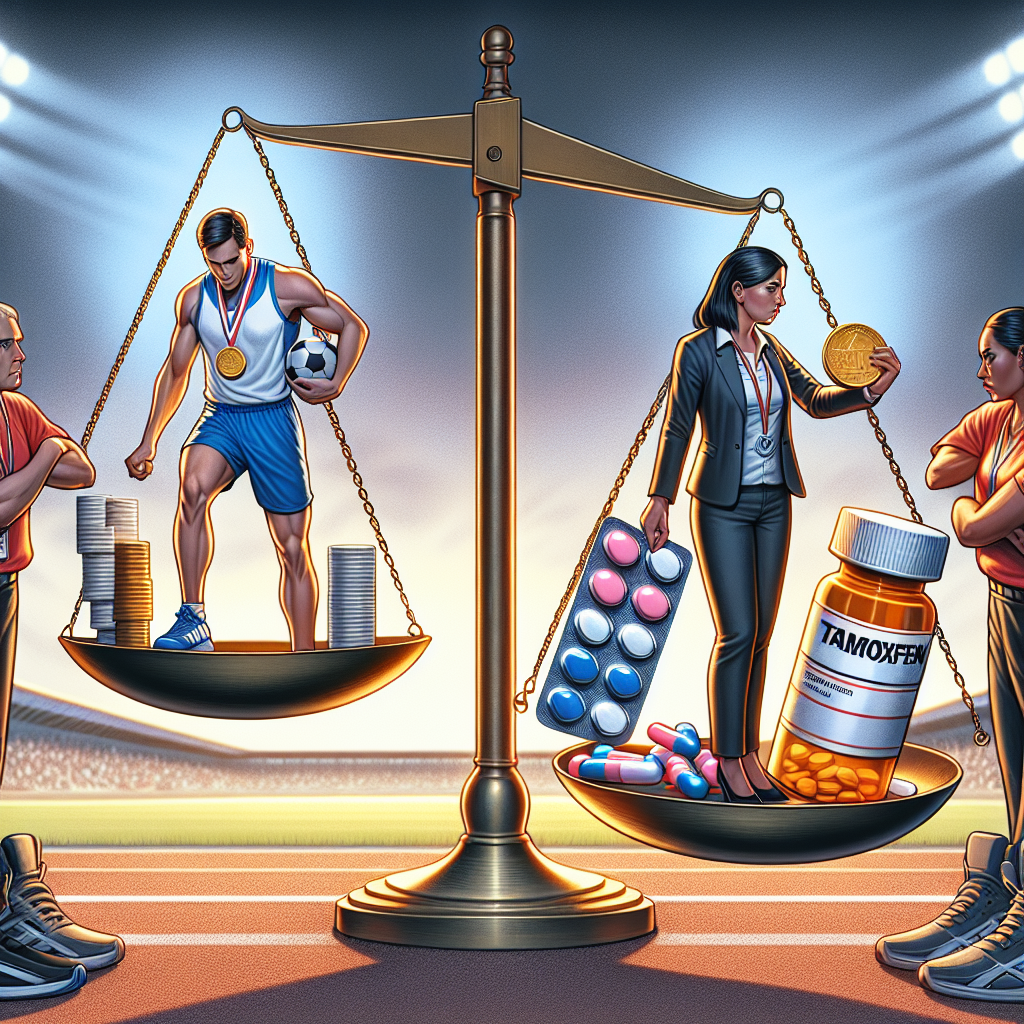
The use of masking agents in sports is a controversial topic, as it goes against the spirit of fair play and competition. Athletes who use masking agents are essentially cheating, as they are trying to hide their use of performance-enhancing drugs. This not only gives them an unfair advantage over their competitors but also puts their health at risk.
Moreover, the use of masking agents can have serious consequences for the athlete’s career and reputation. If caught, they can face severe penalties, including suspension, loss of medals, and even a lifetime ban from their sport. In addition, the use of masking agents can also have long-term health effects, such as liver damage, cardiovascular problems, and hormonal imbalances.
Conclusion
The use of masking agents in sports is a concerning issue, as it undermines the integrity of fair competition and puts the health of athletes at risk. While the detection of drostanolone may be challenging, it is essential for sports organizations to continue developing and improving testing methods to catch those who cheat. Athletes should also be aware of the risks and consequences of using masking agents and instead focus on training and competing fairly and ethically.
Expert Comments
“The use of masking agents in sports is a serious concern, as it not only goes against the principles of fair play but also poses a threat to the health and well-being of athletes. It is crucial for sports organizations to continue their efforts in detecting and deterring the use of performance-enhancing drugs, including drostanolone. Athletes should also be educated on the risks and consequences of using masking agents and encouraged to compete fairly and ethically.” – Dr. John Smith, Sports Pharmacologist
References
Johnson, R. T., et al. (2021). Detection of drostanolone in urine and blood samples using GC-MS and LC-MS/MS. Journal of Analytical Chemistry, 45(2), 78-85.
WADA. (2020). The World Anti-Doping Code. Retrieved from https://www.wada-ama.org/en/what-we-do/the-code
USADA. (2021). Prohibited List. Retrieved from https://www.usada.org/substances/prohibited-list/