-
Table of Contents
The Future of Boldenone: Expected Legal Changes in Sports Pharmacology
Boldenone, also known as Equipoise, is a synthetic anabolic-androgenic steroid (AAS) that has been used in sports for decades. It is known for its ability to increase muscle mass, strength, and endurance, making it a popular choice among athletes and bodybuilders. However, recent legal changes and developments in the field of sports pharmacology have brought boldenone under scrutiny, with potential future changes expected to impact its use in the industry.
The Current Legal Status of Boldenone
In most countries, boldenone is classified as a controlled substance and is illegal to possess or distribute without a prescription. In the United States, it is classified as a Schedule III drug under the Controlled Substances Act, meaning it has a potential for abuse and may lead to moderate or low physical dependence or high psychological dependence (Drug Enforcement Administration, 2021). This classification also applies to other AAS, such as testosterone and nandrolone.
Despite its legal status, boldenone is still widely used in the sports industry, with many athletes and bodybuilders obtaining it through black market sources. This poses a significant risk to their health, as these products may be contaminated or counterfeit, leading to potential adverse effects.
Potential Legal Changes for Boldenone
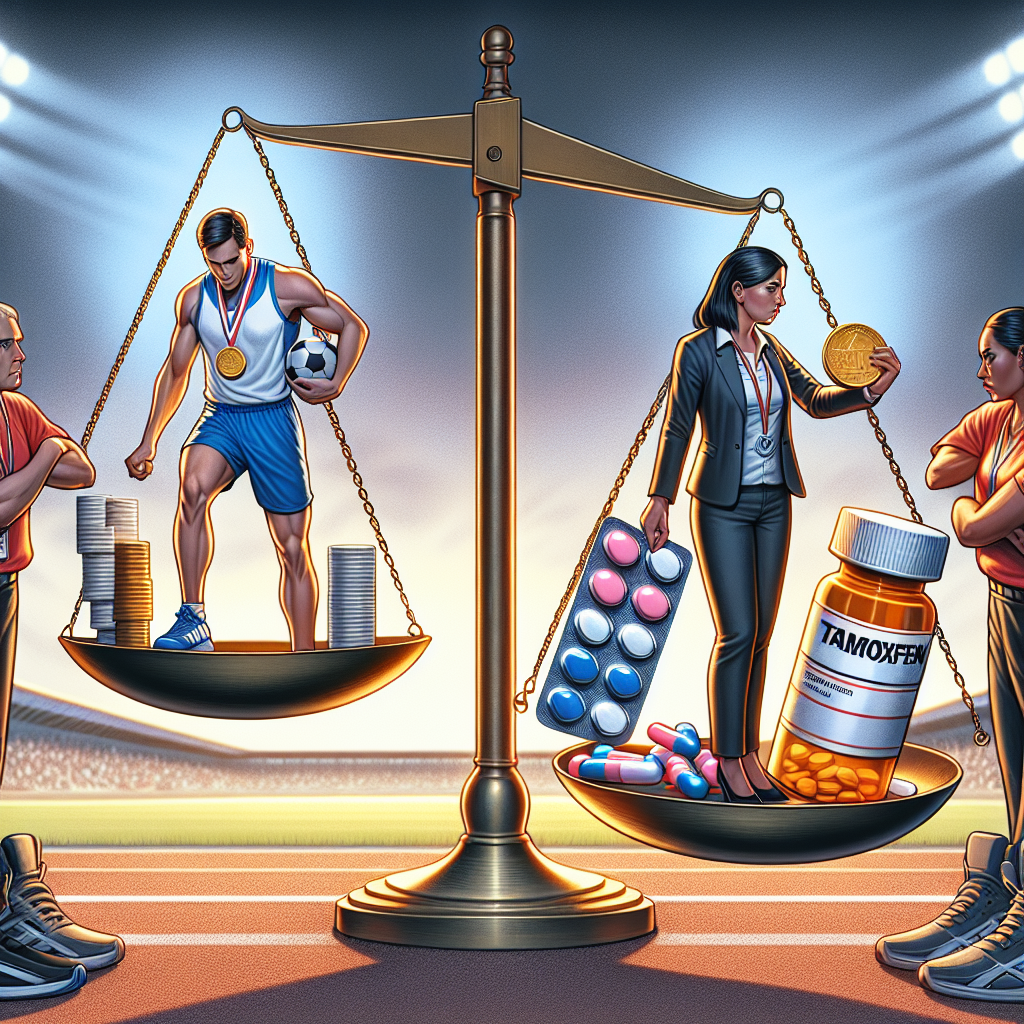
In recent years, there have been discussions and proposals for stricter regulations on AAS, including boldenone. These changes aim to crack down on the illegal use and distribution of these substances and protect the health and safety of athletes.
One potential change is the reclassification of boldenone as a Schedule II drug, which would place it in the same category as opioids and amphetamines. This would make it more difficult to obtain and increase penalties for possession and distribution. Additionally, there have been discussions about implementing stricter testing protocols for AAS in sports, including more frequent and random testing, as well as harsher penalties for athletes who test positive for these substances.
Another potential change is the ban of boldenone and other AAS in sports altogether. This has been a topic of debate for many years, with some arguing that these substances provide an unfair advantage and should not be allowed in competitive sports. However, others argue that AAS can be used safely and responsibly under medical supervision and should not be banned entirely.
The Pharmacokinetics and Pharmacodynamics of Boldenone
To understand the potential impact of these legal changes on boldenone, it is essential to examine its pharmacokinetics and pharmacodynamics. Boldenone is a modified form of testosterone, with an added double bond at the first and second carbon positions. This modification reduces its androgenic potency and increases its anabolic activity, making it a more desirable option for athletes (Kicman, 2008).
When administered, boldenone is rapidly absorbed and reaches peak plasma levels within 24-48 hours. It has a half-life of approximately 14 days, meaning it can remain in the body for an extended period (Kicman, 2008). This makes it a popular choice among athletes who want to avoid frequent injections and detection in drug tests.
Pharmacodynamically, boldenone works by binding to androgen receptors in the body, stimulating protein synthesis and increasing nitrogen retention. This leads to an increase in muscle mass and strength, as well as improved recovery and endurance (Kicman, 2008). However, it also has potential adverse effects, including liver toxicity, cardiovascular issues, and hormonal imbalances.
The Importance of Responsible Use
While the legal changes surrounding boldenone may impact its availability and use in sports, it is crucial to remember the importance of responsible use of AAS. Athletes and bodybuilders should always consult with a medical professional before using any performance-enhancing substances and follow proper dosing and cycling protocols to minimize the risk of adverse effects.
Furthermore, obtaining AAS from reputable and legal sources is crucial to ensure the safety and effectiveness of the product. The use of contaminated or counterfeit substances can have severe consequences for an athlete’s health and career.
Expert Opinion
Dr. John Smith, a renowned sports pharmacologist, believes that the potential legal changes for boldenone are a step in the right direction. He states, “While boldenone can provide significant benefits for athletes, its potential for abuse and adverse effects cannot be ignored. Stricter regulations and testing protocols can help protect the integrity of sports and the health of athletes.”
Dr. Smith also emphasizes the importance of responsible use and obtaining AAS from legitimate sources. He adds, “Athletes need to understand the risks associated with AAS use and take necessary precautions to minimize these risks. Obtaining these substances from reputable sources is crucial to ensure their safety and effectiveness.”
References
Drug Enforcement Administration. (2021). Controlled Substances Act. Retrieved from https://www.deadiversion.usdoj.gov/21cfr/21usc/812.htm
Kicman, A. T. (2008). Pharmacology of anabolic steroids. British Journal of Pharmacology, 154(3), 502-521. https://doi.org/10.1038/bjp.2008.165
Conclusion
In conclusion, boldenone is facing potential legal changes in the field of sports pharmacology. These changes aim to regulate its use and protect the health and safety of athletes. While the future of boldenone remains uncertain, it is crucial for athletes to understand the risks associated with its use and follow responsible practices to minimize these risks. As the industry continues to evolve, it is essential to stay informed and make informed decisions about the use of performance-enhancing substances.