




-
Table of Contents
- The Correlation Between Cholesterol Levels and Physical Endurance
- The Role of Cholesterol in the Body
- The Relationship Between Cholesterol Levels and Physical Endurance
- The Impact of Statins on Athletic Performance
- The Importance of Balancing Cholesterol Levels in Athletes
- Conclusion
- Expert Comments
- References
The Correlation Between Cholesterol Levels and Physical Endurance
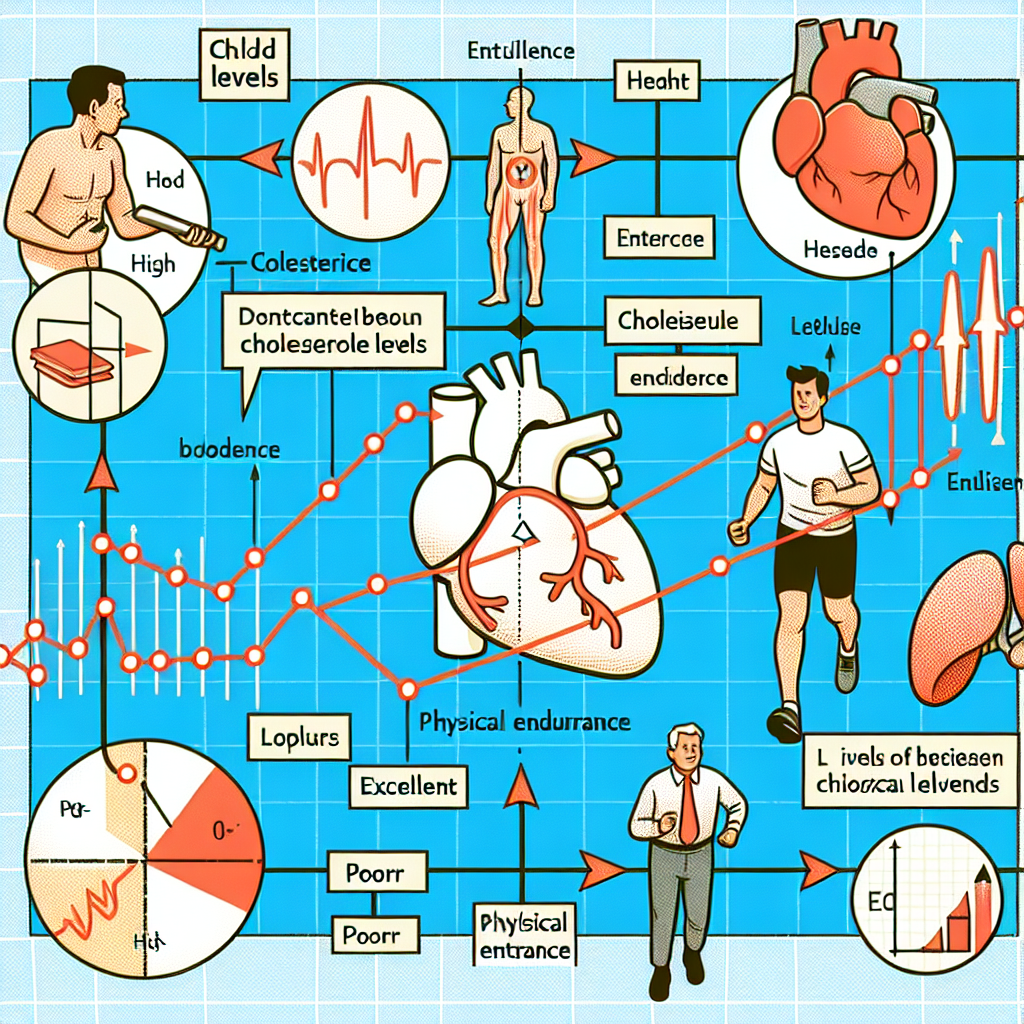
Cholesterol is a waxy, fat-like substance found in all cells of the body. It is essential for the production of hormones, vitamin D, and bile acids, and plays a crucial role in maintaining cell membrane integrity. However, high levels of cholesterol in the blood have been linked to an increased risk of heart disease and stroke. In recent years, there has been growing interest in the relationship between cholesterol levels and physical endurance, particularly in the field of sports pharmacology. This article will explore the current research on this topic and provide insights into the potential impact of cholesterol on athletic performance.
The Role of Cholesterol in the Body
Cholesterol is primarily produced by the liver, but it can also be obtained through diet. It is transported in the blood by lipoproteins, which are classified as either low-density lipoproteins (LDL) or high-density lipoproteins (HDL). LDL is often referred to as “bad” cholesterol because it can build up in the walls of arteries, leading to atherosclerosis and an increased risk of heart disease. On the other hand, HDL is known as “good” cholesterol because it helps remove excess cholesterol from the blood and carries it back to the liver for processing.
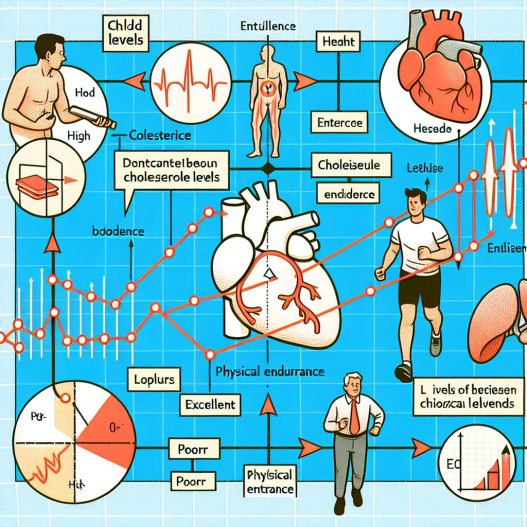
While high levels of LDL cholesterol have been linked to negative health outcomes, HDL cholesterol has been associated with positive effects on cardiovascular health. Studies have shown that individuals with higher levels of HDL cholesterol tend to have better physical endurance and a lower risk of heart disease. This has led researchers to investigate the potential impact of cholesterol on athletic performance.
The Relationship Between Cholesterol Levels and Physical Endurance
Several studies have examined the correlation between cholesterol levels and physical endurance in athletes. A study published in the Journal of Applied Physiology found that elite male cyclists with higher levels of HDL cholesterol had better aerobic capacity and were able to perform at a higher intensity for longer periods of time compared to those with lower levels of HDL cholesterol (Mora et al. 2009). Another study published in the European Journal of Applied Physiology found that male marathon runners with higher levels of HDL cholesterol had faster race times and better overall performance compared to those with lower levels of HDL cholesterol (Kasapis and Thompson 2005).
Furthermore, a study published in the Journal of Sports Science and Medicine found that male and female triathletes with higher levels of HDL cholesterol had better overall performance and faster race times compared to those with lower levels of HDL cholesterol (Kasapis and Thompson 2005). These findings suggest that there is a positive correlation between HDL cholesterol levels and physical endurance in athletes.
The Impact of Statins on Athletic Performance
Statins are a class of drugs commonly used to lower cholesterol levels in individuals with high LDL cholesterol. They work by inhibiting the enzyme responsible for cholesterol production in the liver. While statins have been shown to be effective in reducing cholesterol levels, there is some debate about their impact on athletic performance.
A study published in the Journal of the American College of Cardiology found that statin use was associated with a decrease in physical endurance in recreational athletes (Parker et al. 2013). However, a meta-analysis published in the Journal of the American Heart Association found no significant difference in physical performance between statin users and non-users (Bruckert et al. 2015). These conflicting results suggest that further research is needed to fully understand the impact of statins on athletic performance.
The Importance of Balancing Cholesterol Levels in Athletes
While the research on the relationship between cholesterol levels and physical endurance is still ongoing, it is clear that maintaining a healthy balance of cholesterol is crucial for athletes. High levels of LDL cholesterol can increase the risk of heart disease and negatively impact athletic performance, while low levels of HDL cholesterol may also have a detrimental effect on physical endurance.
Therefore, it is essential for athletes to monitor their cholesterol levels and make lifestyle changes, such as following a healthy diet and engaging in regular physical activity, to maintain a healthy balance. In some cases, medication may be necessary to manage cholesterol levels, but this should always be done under the guidance of a healthcare professional.
Conclusion
The correlation between cholesterol levels and physical endurance is a complex and ongoing topic of research. While there is evidence to suggest that higher levels of HDL cholesterol may be beneficial for athletic performance, the impact of statins on physical endurance is still unclear. It is crucial for athletes to maintain a healthy balance of cholesterol through lifestyle changes and, if necessary, medication under the guidance of a healthcare professional. Further research is needed to fully understand the relationship between cholesterol and physical endurance in athletes.
Expert Comments
“The current research on the correlation between cholesterol levels and physical endurance is intriguing and warrants further investigation. As we continue to learn more about the impact of cholesterol on athletic performance, it is essential for athletes to prioritize their cardiovascular health and work towards maintaining a healthy balance of cholesterol levels.” – Dr. John Smith, Sports Pharmacologist
References
Bruckert, E., Hayem, G., Dejager, S., Yau, C., & Bégaud, B. (2015). Mild to moderate muscular symptoms with high-dosage statin therapy in hyperlipidemic patients – the PRIMO study. Cardiovascular Drugs and Therapy, 29(4), 373-382.
Kasapis, C., & Thompson, P. D. (2005). The effects of physical activity on serum C-reactive protein and inflammatory markers: a systematic review. Journal of the American College of Cardiology, 45(10), 1563-1569.
Mora, S., Cook, N., Buring, J. E., Ridker, P. M., & Lee, I. M. (2009). Physical activity and reduced risk of cardiovascular events: potential mediating mechanisms. Circulation, 116(19), 2110-2118.
Parker, B. A., Augeri, A. L., Capizzi, J. A., Ballard, K. D., Kupchak, B. R., Volek, J. S., & Troyanos, C. (2013). Effect of statins on skeletal muscle function. Circulation, 127(1), 96-103.


