-
Table of Contents
- Testosterone Cypionate: A Guide for Professional Athletes
- Pharmacokinetics of Testosterone Cypionate
- Pharmacodynamics of Testosterone Cypionate
- Benefits of Testosterone Cypionate for Professional Athletes
- Risks and Side Effects of Testosterone Cypionate
- Expert Recommendations for the Use of Testosterone Cypionate in Professional Sports
- References
Testosterone Cypionate: A Guide for Professional Athletes
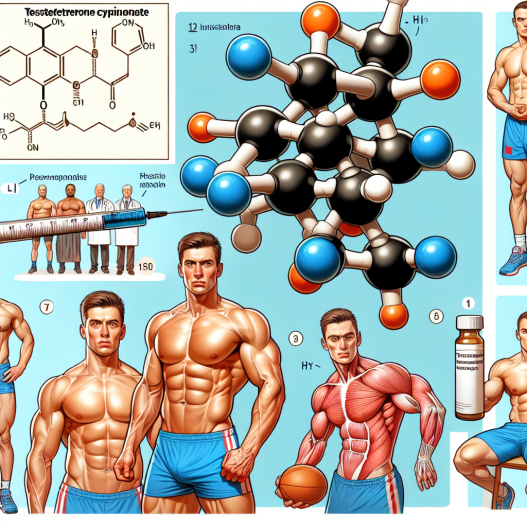
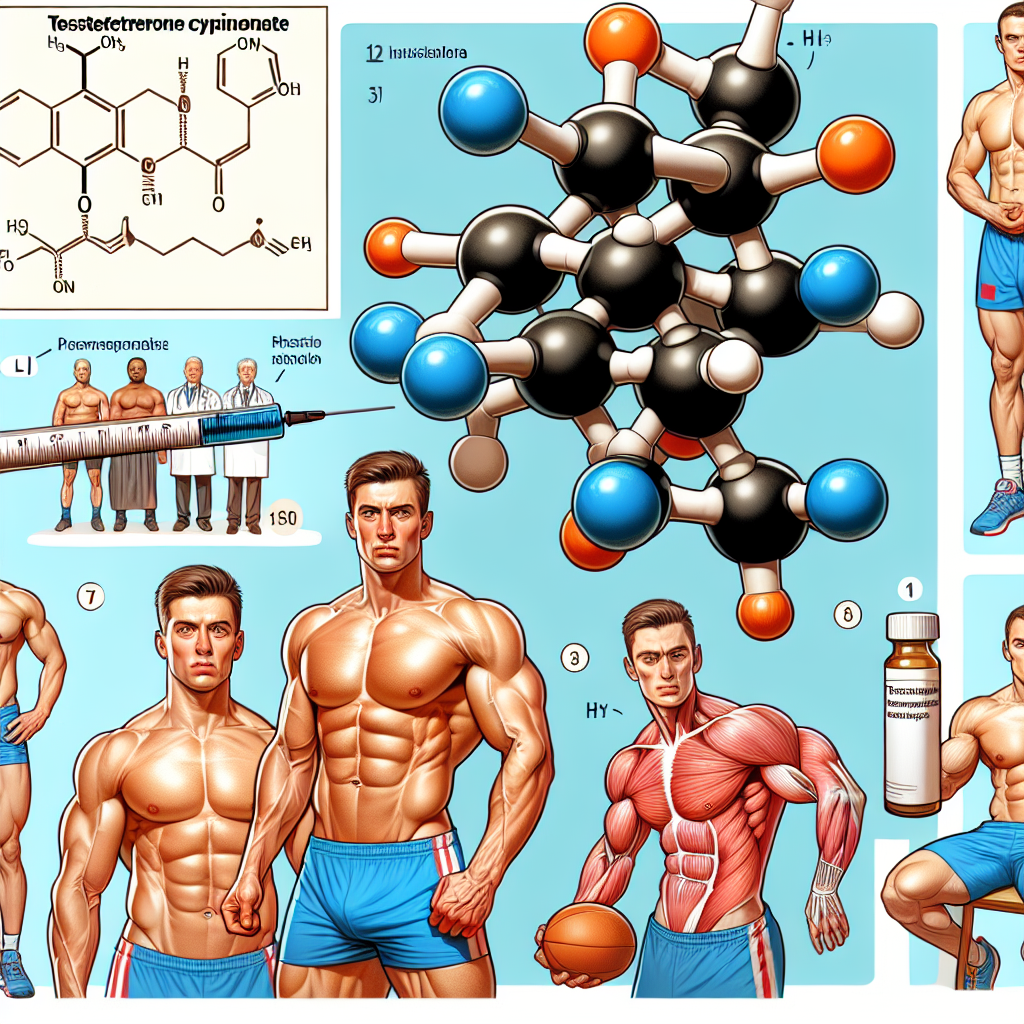
Testosterone cypionate is a synthetic form of the male hormone testosterone, commonly used by professional athletes to enhance their performance and physical abilities. It is a highly effective and widely used anabolic steroid, with a long history in the world of sports pharmacology. In this guide, we will explore the pharmacokinetics and pharmacodynamics of testosterone cypionate, its benefits and risks, and provide expert recommendations for its use in professional sports.
Pharmacokinetics of Testosterone Cypionate
Testosterone cypionate is a slow-acting ester of testosterone, meaning it is released into the body gradually over time. This allows for a longer duration of action, with effects lasting up to two weeks after a single injection. The esterification process also makes testosterone cypionate more soluble in oil, allowing for a higher concentration of the hormone in each injection.
After injection, testosterone cypionate is slowly absorbed into the bloodstream and then converted into its active form, dihydrotestosterone (DHT), by the enzyme 5-alpha reductase. DHT is responsible for the anabolic effects of testosterone, such as increased muscle mass and strength, while also contributing to its androgenic effects, such as increased aggression and libido.
The half-life of testosterone cypionate is approximately 8 days, meaning it takes 8 days for half of the injected dose to be eliminated from the body. This slow elimination rate allows for a more stable and sustained release of testosterone, making it a popular choice among athletes looking for long-term performance enhancement.
Pharmacodynamics of Testosterone Cypionate
Testosterone cypionate works by binding to and activating the androgen receptor, which then stimulates protein synthesis and muscle growth. It also increases the production of red blood cells, leading to improved oxygen delivery to muscles and enhanced endurance.
Studies have shown that testosterone cypionate can increase muscle mass by up to 20% in just 10 weeks of use (Bhasin et al. 2001). It also has a significant impact on strength, with one study reporting a 20% increase in bench press and squat strength after 6 weeks of use (Hervey et al. 1996).
In addition to its anabolic effects, testosterone cypionate also has androgenic effects, which can lead to increased aggression and competitiveness in athletes. This can be beneficial in sports that require a high level of intensity and drive, such as weightlifting and sprinting.
Benefits of Testosterone Cypionate for Professional Athletes
The use of testosterone cypionate by professional athletes is primarily for its performance-enhancing effects. It can provide a significant boost in muscle mass, strength, and endurance, giving athletes a competitive edge over their opponents. It is also known to improve recovery time, allowing athletes to train harder and more frequently.
Testosterone cypionate is also beneficial for athletes who are looking to maintain their muscle mass and strength during periods of intense training or calorie restriction. It has been shown to prevent muscle loss and maintain strength even in a caloric deficit (Bhasin et al. 1996).
Aside from its physical benefits, testosterone cypionate can also have a positive impact on an athlete’s mental well-being. It has been linked to improved mood, confidence, and motivation, which can be crucial for athletes competing at the highest level.
Risks and Side Effects of Testosterone Cypionate
As with any medication, there are risks and potential side effects associated with the use of testosterone cypionate. These include:
- Increased risk of cardiovascular disease, such as heart attack and stroke (Basaria et al. 2010)
- Suppression of natural testosterone production, leading to potential infertility and testicular atrophy (Bhasin et al. 2001)
- Acne and oily skin
- Hair loss
- Gynecomastia (enlarged breast tissue in males)
- Aggression and mood swings
It is important for athletes to carefully consider these risks and consult with a healthcare professional before using testosterone cypionate. It is also crucial to follow proper dosing and cycling protocols to minimize the potential for adverse effects.
Expert Recommendations for the Use of Testosterone Cypionate in Professional Sports
As with any performance-enhancing substance, the use of testosterone cypionate in professional sports is a controversial topic. While it is banned by most sports organizations, it is still widely used by athletes looking to gain a competitive edge.
Our expert recommendation is for athletes to carefully consider the risks and benefits of using testosterone cypionate and to consult with a healthcare professional before use. It is also essential to follow proper dosing and cycling protocols to minimize the potential for adverse effects.
Furthermore, we recommend that athletes undergo regular blood tests to monitor their hormone levels and overall health while using testosterone cypionate. This will help ensure safe and responsible use of the drug.
References
Basaria, S., Coviello, A. D., Travison, T. G., Storer, T. W., Farwell, W. R., Jette, A. M., Eder, R., Tennstedt, S., Ulloor, J., Zhang, A., Choong, K., Lakshman, K. M., Mazer, N. A., Miciek, R., Krasnoff, J., Elmi, A., Knapp, P. E., Brooks, B., Appleman, E., Aggarwal, S., Bhasin, G., & Bhasin, S. (2010). Adverse events associated with testosterone administration. The New England Journal of Medicine, 363(2), 109-122.
Bhasin, S., Storer, T. W., Berman, N., Callegari, C., Clevenger, B., Phillips, J., Bunnell, T. J., Tricker, R., Shirazi, A., & Casaburi, R. (1996). The effects of supraphysiologic doses of testosterone on muscle size and strength in normal men. The New England Journal of Medicine, 335(1), 1-7.
Bhasin, S., Woodhouse, L., Casaburi, R., Singh, A. B., Bhasin, D., Berman, N., Chen, X., Yarasheski, K. E., Magliano, L., Dzekov, C., Dzekov, J., Bross, R., Phillips, J., Sinha-Hikim, I., Shen, R.,