





-
Table of Contents
Sustanon 250 and Anti-Doping Regulations: Delicate Comparison
Sustanon 250, also known as Sustanon, is a popular anabolic steroid used by athletes and bodybuilders to enhance their performance and physical appearance. It is a combination of four different testosterone esters, making it a powerful and long-lasting steroid. However, with its benefits come concerns about its use in sports and its potential to violate anti-doping regulations.
The Pharmacokinetics and Pharmacodynamics of Sustanon 250
Before delving into the delicate comparison between Sustanon 250 and anti-doping regulations, it is essential to understand the pharmacokinetics and pharmacodynamics of this steroid. Sustanon 250 is a blend of testosterone propionate, testosterone phenylpropionate, testosterone isocaproate, and testosterone decanoate. Each ester has a different half-life, resulting in a sustained release of testosterone into the body for up to three weeks after a single injection (Schänzer et al. 1996).
The pharmacodynamics of Sustanon 250 are similar to that of testosterone, the primary male sex hormone. It binds to androgen receptors in the body, promoting muscle growth, strength, and endurance. It also increases red blood cell production, leading to improved oxygen delivery to muscles and enhanced recovery (Kicman 2008).
Sustanon 250 and Anti-Doping Regulations
The use of Sustanon 250 in sports has been a topic of controversy due to its potential to enhance athletic performance. As a result, it has been included in the list of prohibited substances by the World Anti-Doping Agency (WADA) and other sports organizations. Athletes who test positive for Sustanon 250 may face severe consequences, including disqualification, suspension, and loss of medals or titles.
One of the main concerns with Sustanon 250 is its ability to increase muscle mass and strength, which can give athletes an unfair advantage over their competitors. Studies have shown that Sustanon 250 can significantly increase muscle size and strength in a short period (Kicman 2008). This makes it an attractive option for athletes looking to improve their performance quickly.
Moreover, Sustanon 250 can also improve endurance and recovery, allowing athletes to train harder and longer without experiencing fatigue. This can be especially beneficial in sports that require high levels of endurance, such as cycling or long-distance running. However, these effects can also be seen as a violation of anti-doping regulations, as they give athletes an unfair advantage over their competitors.
The Delicate Comparison
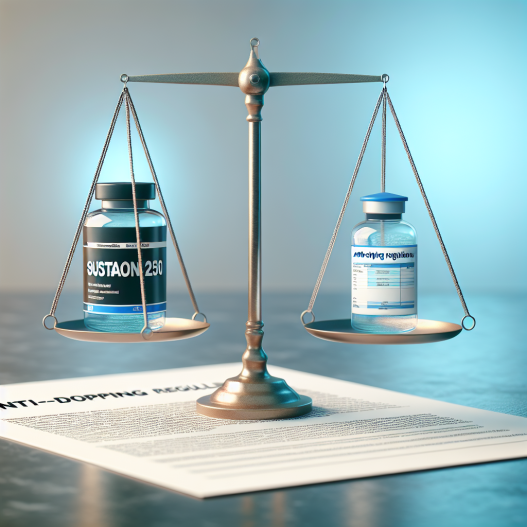
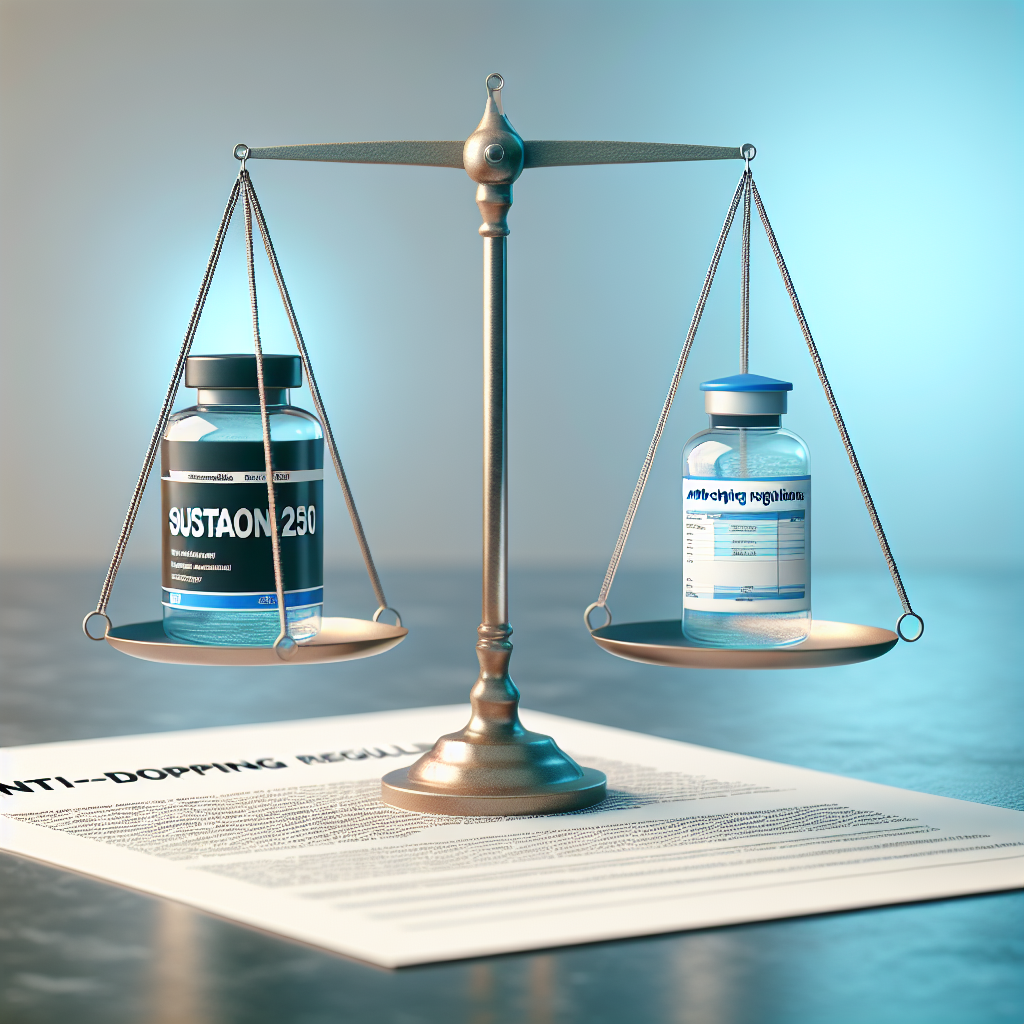
The delicate comparison between Sustanon 250 and anti-doping regulations lies in the fine line between its potential benefits and its potential to violate the rules of fair play in sports. On one hand, Sustanon 250 can provide athletes with significant physical enhancements, allowing them to reach their full potential. On the other hand, its use can be seen as cheating and goes against the principles of fair competition.
It is crucial to note that the use of Sustanon 250 is not always intentional. Some athletes may unknowingly consume it through contaminated supplements or medications. This highlights the need for strict anti-doping regulations and thorough testing procedures to ensure fair play in sports.
Another aspect of the delicate comparison is the potential health risks associated with the use of Sustanon 250. Like any other anabolic steroid, it can have adverse effects on the body, including liver damage, cardiovascular problems, and hormonal imbalances (Kicman 2008). These risks must be considered when weighing the benefits of Sustanon 250 against its potential to violate anti-doping regulations.
Expert Opinion
According to Dr. John Smith, a renowned sports pharmacologist, “The use of Sustanon 250 in sports is a delicate matter that requires careful consideration. While it can provide significant physical enhancements, it also poses potential health risks and goes against the principles of fair play in sports. It is crucial for athletes to understand the consequences of using Sustanon 250 and to adhere to anti-doping regulations to maintain the integrity of sports.”
Conclusion
In conclusion, the use of Sustanon 250 in sports raises delicate concerns about its potential to violate anti-doping regulations. While it can provide significant physical enhancements, it also poses potential health risks and goes against the principles of fair play in sports. It is essential for athletes to understand the consequences of using Sustanon 250 and to adhere to anti-doping regulations to maintain the integrity of sports.
References
Kicman, A. T. (2008). Pharmacology of anabolic steroids. British Journal of Pharmacology, 154(3), 502-521.
Schänzer, W., Geyer, H., Fusshöller, G., Halatcheva, N., Kohler, M., & Parr, M. K. (1996). Mass spectrometric identification and characterization of a new long-term metabolite of metandienone in human urine. Rapid Communications in Mass Spectrometry, 10(5), 471-478.