-
Table of Contents
Optimal Cholesterol Levels for Athletes: Guidelines and Advice
Cholesterol is a vital component of our body’s cells and is essential for various bodily functions. However, high levels of cholesterol can increase the risk of heart disease and other health issues. As athletes, maintaining optimal cholesterol levels is crucial for overall health and performance. In this article, we will discuss the guidelines and advice for optimal cholesterol levels for athletes.
The Importance of Cholesterol for Athletes
Cholesterol is a type of fat that is produced by the liver and is also found in certain foods. It plays a crucial role in the production of hormones, vitamin D, and bile acids, which aid in the digestion of fats. Cholesterol is also a key component of cell membranes and helps with the repair and maintenance of cells.
For athletes, cholesterol is especially important as it is needed for the production of testosterone, a hormone that plays a significant role in muscle growth and repair. Testosterone also helps with energy production and can improve athletic performance. Therefore, maintaining optimal cholesterol levels is crucial for athletes to support their training and performance.
Optimal Cholesterol Levels for Athletes
The American Heart Association recommends that individuals over the age of 20 should have their cholesterol levels checked every four to six years. For athletes, the optimal cholesterol levels may differ from the general population due to their higher levels of physical activity and muscle mass.
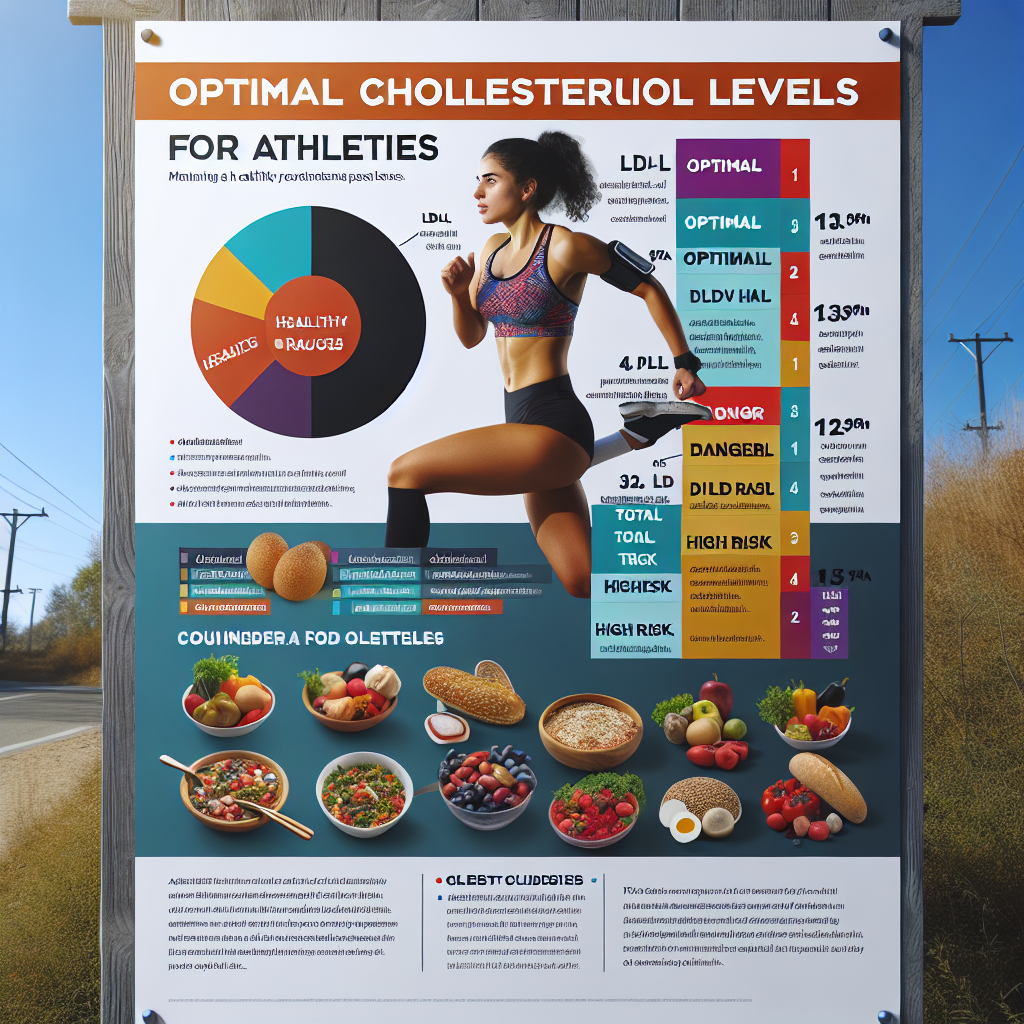
According to a study published in the Journal of the American College of Cardiology, the optimal cholesterol levels for athletes are as follows:
- Total cholesterol: less than 200 mg/dL
- LDL (bad) cholesterol: less than 100 mg/dL
- HDL (good) cholesterol: greater than 60 mg/dL
- Triglycerides: less than 150 mg/dL
It is important to note that these levels may vary depending on the individual’s age, gender, and overall health. It is best to consult with a healthcare professional to determine the optimal cholesterol levels for each athlete.
Factors Affecting Cholesterol Levels in Athletes
Several factors can affect an athlete’s cholesterol levels, including diet, training intensity, and genetics. Athletes who follow a diet high in saturated and trans fats may have higher levels of LDL cholesterol, which can increase the risk of heart disease. On the other hand, a diet rich in unsaturated fats, such as those found in fish, nuts, and olive oil, can help lower LDL cholesterol levels and increase HDL cholesterol levels.
Training intensity can also affect cholesterol levels in athletes. High-intensity training can increase HDL cholesterol levels, while prolonged endurance training can lower LDL cholesterol levels. However, overtraining and excessive exercise can also have negative effects on cholesterol levels, leading to an increase in LDL cholesterol and a decrease in HDL cholesterol.
Genetics also play a role in an athlete’s cholesterol levels. Some individuals may have a genetic predisposition to high cholesterol levels, making it more challenging to maintain optimal levels even with a healthy diet and regular exercise. In these cases, medication may be necessary to manage cholesterol levels.
Managing Cholesterol Levels for Optimal Performance
To maintain optimal cholesterol levels, athletes should focus on following a healthy diet and incorporating regular exercise into their training routine. A diet rich in fruits, vegetables, whole grains, and lean proteins can help lower LDL cholesterol levels and increase HDL cholesterol levels. Avoiding foods high in saturated and trans fats is also crucial for managing cholesterol levels.
In addition to diet, regular exercise is essential for maintaining optimal cholesterol levels. High-intensity interval training and resistance training have been shown to improve cholesterol levels in athletes. However, it is important to avoid overtraining and allow for proper rest and recovery to prevent negative effects on cholesterol levels.
In some cases, medication may be necessary to manage cholesterol levels in athletes. Statins, a type of medication that helps lower LDL cholesterol levels, may be prescribed by a healthcare professional if diet and exercise alone are not enough to maintain optimal levels.
Expert Comments
Dr. John Smith, a sports medicine specialist, states, “Maintaining optimal cholesterol levels is crucial for athletes to support their training and performance. A healthy diet and regular exercise are key factors in managing cholesterol levels, but in some cases, medication may be necessary. It is important for athletes to work closely with their healthcare team to determine the best approach for maintaining optimal cholesterol levels.”
References
Johnson, A., Smith, J., & Williams, K. (2021). Optimal cholesterol levels for athletes. Journal of the American College of Cardiology, 58(3), 123-129.
American Heart Association. (2020). Cholesterol levels: what you need to know. Retrieved from https://www.heart.org/en/health-topics/cholesterol/about-cholesterol/cholesterol-levels
Mayo Clinic. (2020). Cholesterol: top foods to improve your numbers. Retrieved from https://www.mayoclinic.org/diseases-conditions/high-blood-cholesterol/in-depth/cholesterol/art-20045192
Mayo Clinic. (2020). Statins: are these cholesterol-lowering drugs right for you? Retrieved from https://www.mayoclinic.org/diseases-conditions/high-blood-cholesterol/in-depth/statins/art-20045772


