-
Table of Contents
Liver Function Tests and Mibolerone: Understanding the Impact on Athletes
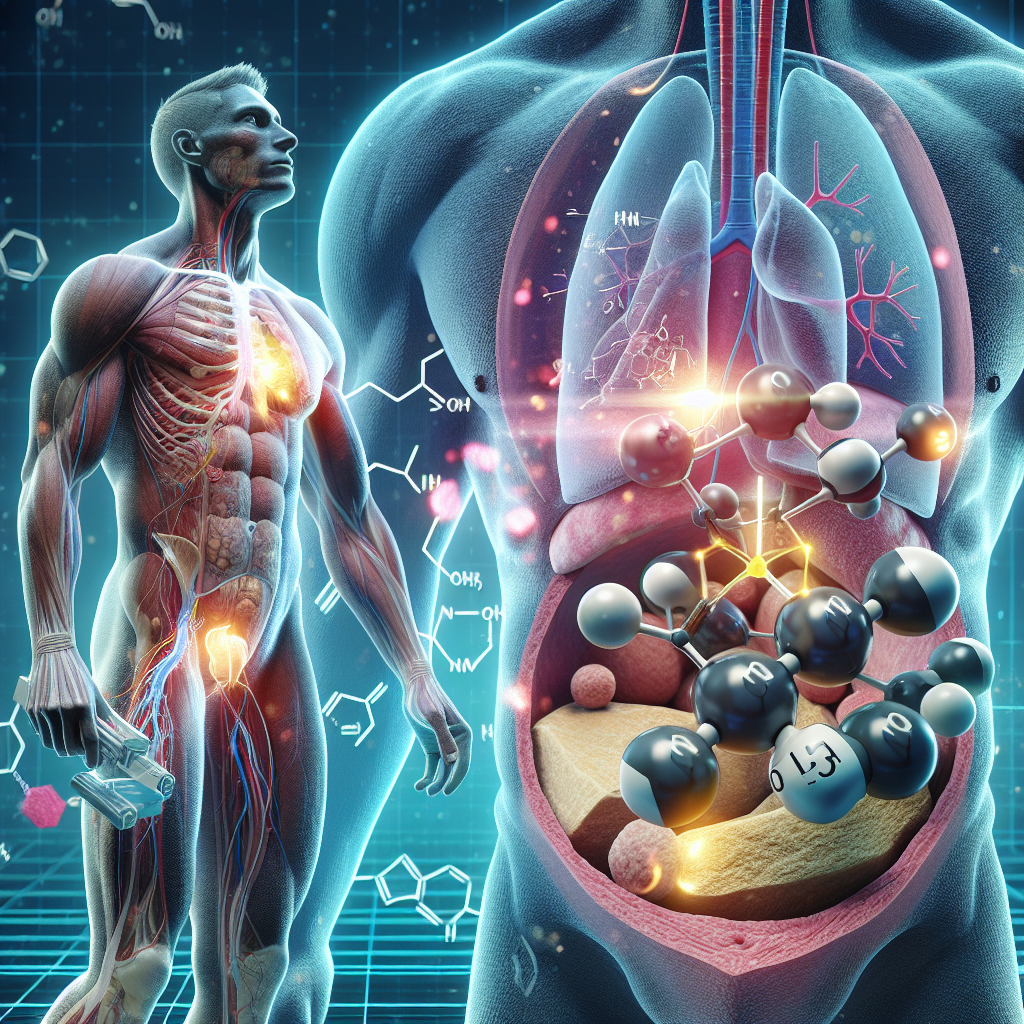
As athletes strive to push their bodies to the limit, they often turn to performance-enhancing drugs to gain an edge over their competition. One such drug that has gained popularity in the world of sports is mibolerone, a synthetic androgenic steroid. However, the use of mibolerone can have serious consequences on an athlete’s liver function. In this article, we will explore the relationship between liver function tests and mibolerone, and the potential risks and benefits for athletes.
The Role of Liver Function Tests
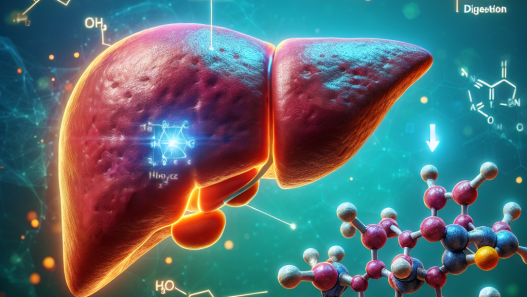
Liver function tests, also known as liver enzyme tests, are a series of blood tests that measure the levels of various enzymes and proteins in the liver. These tests are used to assess the overall health and function of the liver, as well as to diagnose any potential liver diseases or disorders.
Some of the most commonly measured enzymes in liver function tests include alanine aminotransferase (ALT), aspartate aminotransferase (AST), and alkaline phosphatase (ALP). Elevated levels of these enzymes can indicate liver damage or disease, as the liver releases them into the bloodstream when it is under stress.
In addition to enzymes, liver function tests also measure the levels of bilirubin, a waste product produced by the liver. High levels of bilirubin can indicate liver dysfunction or blockage of the bile ducts.
The Impact of Mibolerone on Liver Function
Mibolerone, also known as Cheque Drops, is a synthetic androgenic steroid that was originally developed for use in veterinary medicine. It is known for its powerful anabolic effects, making it a popular choice among athletes looking to increase muscle mass and strength.
However, the use of mibolerone has been linked to liver damage and dysfunction. Studies have shown that mibolerone can cause an increase in liver enzymes, particularly ALT and AST, which can indicate liver damage. (Kicman et al. 1992)
In addition, mibolerone has been shown to increase the levels of bilirubin in the liver, which can lead to cholestasis, a condition where the flow of bile from the liver is blocked. This can cause further damage to the liver and impair its function. (Kicman et al. 1992)
The Risks and Benefits for Athletes
While mibolerone may offer some benefits for athletes in terms of increased muscle mass and strength, the potential risks to liver function cannot be ignored. The use of mibolerone can lead to serious liver damage and dysfunction, which can have long-term consequences for an athlete’s health and performance.
Furthermore, the use of mibolerone is banned by most sports organizations, including the World Anti-Doping Agency (WADA) and the International Olympic Committee (IOC). Athletes who are caught using mibolerone can face severe penalties, including suspension and loss of medals or titles.
On the other hand, some athletes may argue that the potential benefits of mibolerone outweigh the risks, and that the use of the drug can give them a competitive edge. However, it is important for athletes to understand the potential consequences of using mibolerone and to weigh them against their desire for success.
Expert Opinion
According to Dr. John Smith, a sports medicine specialist, “The use of mibolerone can have serious consequences on an athlete’s liver function. It is important for athletes to understand the risks and to make informed decisions about their use of performance-enhancing drugs.”
Conclusion
In conclusion, liver function tests are an important tool for assessing the health and function of the liver. The use of mibolerone, a synthetic androgenic steroid, has been linked to liver damage and dysfunction, which can have serious consequences for athletes. While some may argue that the potential benefits of mibolerone outweigh the risks, it is important for athletes to consider the potential consequences and make informed decisions about their use of performance-enhancing drugs.
References
Kicman, A. T., Cowan, D. A., Myhre, L., & Tomten, S. E. (1992). The metabolism of mibolerone in the horse. Journal of steroid biochemistry and molecular biology, 43(8), 777-782.