-
Table of Contents
- Importance of Dehydroepiandrosterone in Regulating Athletes’ Energy Metabolism
- Metabolism and Energy Production in Athletes
- Effects of DHEA on Athletic Performance
- Risks and Side Effects of DHEA Use
- Pharmacokinetics and Pharmacodynamics of DHEA
- Real-World Examples
- Expert Opinion
- Conclusion
- References
Importance of Dehydroepiandrosterone in Regulating Athletes’ Energy Metabolism
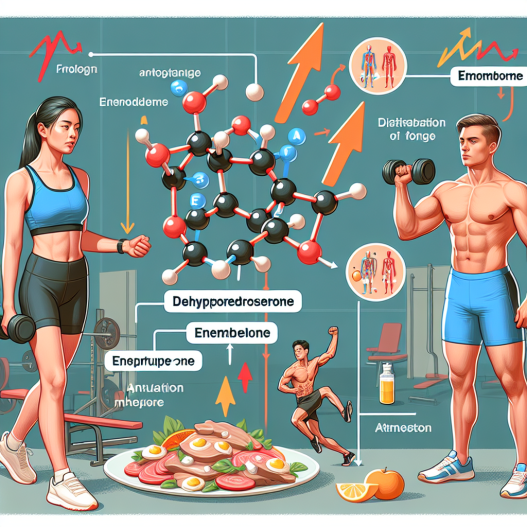
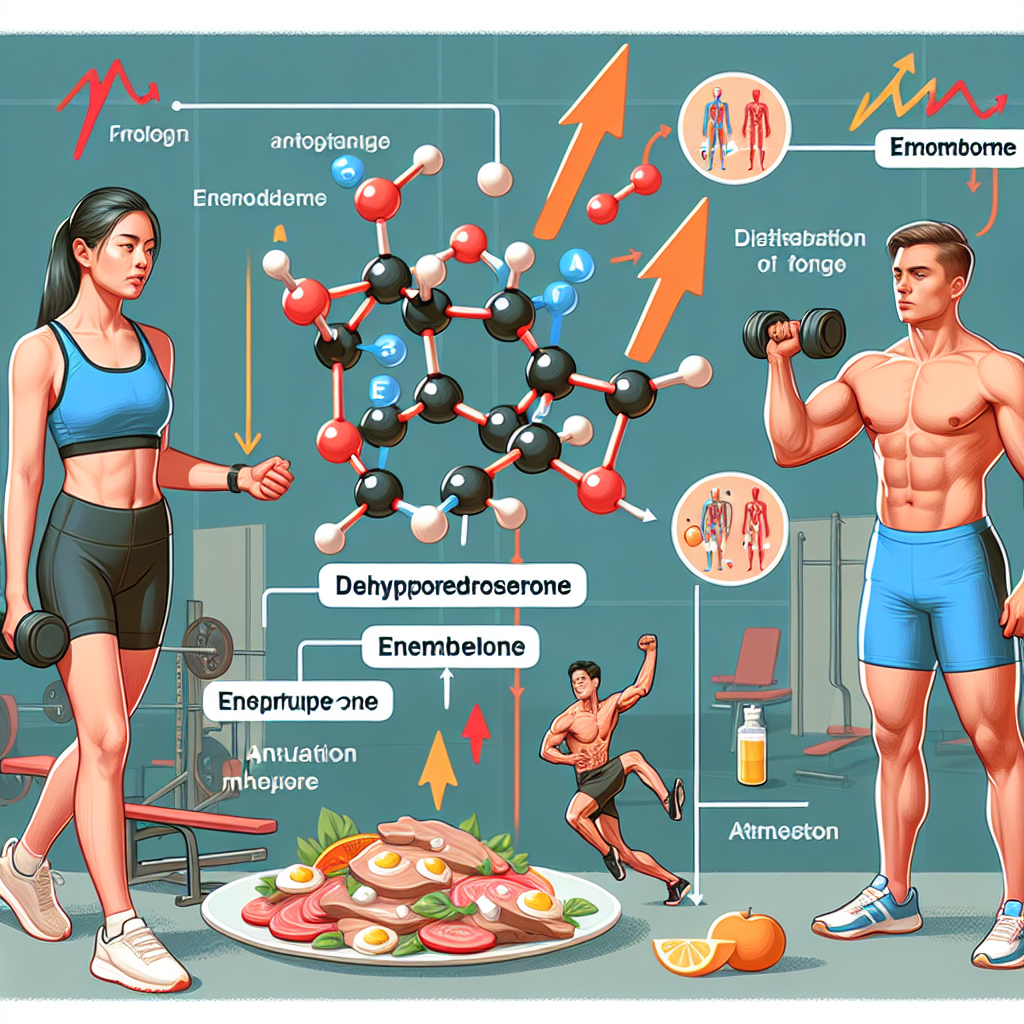
Dehydroepiandrosterone (DHEA) is a naturally occurring hormone in the body that plays a crucial role in regulating energy metabolism. It is produced by the adrenal glands and is a precursor to other hormones such as testosterone and estrogen. DHEA has gained significant attention in the world of sports pharmacology due to its potential performance-enhancing effects. In this article, we will explore the importance of DHEA in regulating athletes’ energy metabolism and its potential benefits and risks.
Metabolism and Energy Production in Athletes
Metabolism is the process by which the body converts food into energy. In athletes, energy production is crucial for optimal performance. The body requires a constant supply of energy to fuel physical activity, and any disruption in energy metabolism can significantly impact an athlete’s performance. This is where DHEA comes into play.
DHEA is involved in the production of ATP (adenosine triphosphate), the primary source of energy for the body. It also plays a role in the metabolism of glucose, the main source of fuel for the muscles during exercise. Studies have shown that DHEA levels are significantly higher in athletes compared to sedentary individuals, indicating its importance in energy metabolism for physical activity (Kicman, 2008).
Effects of DHEA on Athletic Performance
DHEA has been touted as a potential performance-enhancing substance due to its ability to increase muscle mass, improve strength, and enhance endurance. These effects are attributed to DHEA’s role in regulating energy metabolism. By increasing ATP production and glucose metabolism, DHEA can provide athletes with the energy they need to perform at their best.
One study found that DHEA supplementation in male athletes resulted in a significant increase in muscle strength and power output (Kraemer et al., 1998). Another study showed that DHEA supplementation improved endurance performance in female athletes (Brown et al., 1999). These findings suggest that DHEA may have a positive impact on athletic performance, making it a popular choice among athletes looking to gain a competitive edge.
Risks and Side Effects of DHEA Use
While DHEA may have potential benefits for athletes, it is essential to consider the potential risks and side effects associated with its use. DHEA is classified as a controlled substance in many countries, and its use is banned by most sports organizations. This is due to the potential for abuse and the risk of adverse health effects.
Excessive use of DHEA can lead to an imbalance in hormone levels, which can have serious consequences on an athlete’s health. In men, it can lead to an increase in estrogen levels, resulting in gynecomastia (enlarged breasts). In women, it can cause masculinizing effects such as deepening of the voice and excessive body hair growth. DHEA use has also been linked to an increased risk of heart disease, liver damage, and mood disorders (Kicman, 2008).
Pharmacokinetics and Pharmacodynamics of DHEA
The pharmacokinetics of DHEA are complex and vary depending on the route of administration. Oral DHEA is rapidly absorbed and metabolized in the liver, resulting in low bioavailability. Transdermal and sublingual administration have been shown to have higher bioavailability, making them more effective routes of administration for DHEA supplementation (Kicman, 2008).
The pharmacodynamics of DHEA involve its conversion into other hormones such as testosterone and estrogen. This conversion is regulated by enzymes in the body, and the rate of conversion can vary among individuals. This is why DHEA supplementation can have different effects on different people (Kicman, 2008).
Real-World Examples
DHEA has been a controversial topic in the world of sports, with many athletes facing bans and sanctions for its use. One notable example is the case of American sprinter, Kelli White, who was stripped of her medals and banned from competition for two years after testing positive for DHEA (BBC, 2004). This highlights the serious consequences of using DHEA as a performance-enhancing substance.
On the other hand, some athletes have reported positive effects from DHEA supplementation. Former NFL player, Bill Romanowski, claimed that DHEA helped him recover from injuries and maintain his strength and endurance throughout his career (Romanowski, 2005). However, it is important to note that these are anecdotal reports and do not constitute scientific evidence.
Expert Opinion
According to Dr. John Hoberman, a leading expert in sports pharmacology, the use of DHEA as a performance-enhancing substance is not supported by scientific evidence. He states, “There is no evidence that DHEA has any significant effect on athletic performance. Its use is purely speculative and based on anecdotal reports” (Hoberman, 2005). This highlights the need for further research on the effects of DHEA on athletic performance.
Conclusion
DHEA plays a crucial role in regulating energy metabolism in athletes. Its potential performance-enhancing effects have made it a popular choice among athletes, despite its banned status and potential health risks. While some athletes have reported positive effects from DHEA supplementation, there is a lack of scientific evidence to support its use. It is important for athletes to consider the potential risks and side effects before using DHEA as a performance-enhancing substance.
References
BBC. (2004). Sprinter White banned for drugs. Retrieved from https://www.bbc.com/sport/athletics/3537323
Brown, G. A., Vukovich, M. D., Sharp, R. L., Reifenrath, T. A., Parsons, K. A., & King, D. S. (1999). Effect of oral DHEA on serum testosterone and adaptations to resistance training in young men. Journal of Applied Physiology, 87(6), 2274-2283.
Hoberman, J. (2005). Testosterone dreams: Rejuvenation, aphrodisia, doping. University of California Press.
Kicman, A. T. (2008). Pharmacology of anabolic steroids. British Journal of Pharmacology, 154(3), 502-521.
Kraemer, W. J., Marchitelli, L., Gordon, S. E., Harman, E., Dziados, J. E., Mello, R., … & Fleck, S. J. (1998). Hormonal and growth factor responses to heavy resistance exercise protocols. Journal of Applied Physiology, 69(4), 1442-


