



-
Table of Contents
Implications of Gonadotropin in Sports Pharmacology
Gonadotropin, also known as human chorionic gonadotropin (hCG), is a hormone that plays a crucial role in the reproductive system. However, in recent years, it has gained attention in the world of sports pharmacology due to its potential performance-enhancing effects. This article will explore the implications of gonadotropin in sports pharmacology, including its mechanism of action, potential benefits, and ethical considerations.
What is Gonadotropin?
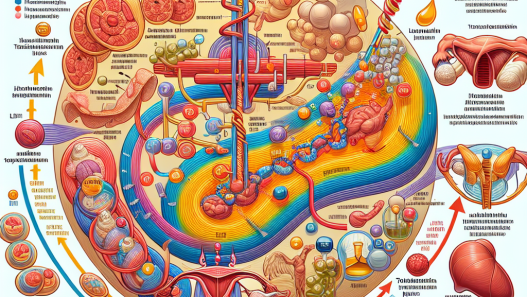
Gonadotropin is a hormone produced by the placenta during pregnancy. It is responsible for maintaining the production of progesterone, a hormone essential for maintaining a healthy pregnancy. In addition to its role in pregnancy, gonadotropin also plays a crucial role in the reproductive system of both males and females.
In males, gonadotropin stimulates the production of testosterone, the primary male sex hormone. In females, it stimulates the production of estrogen and progesterone, the primary female sex hormones. These hormones are essential for the development and maintenance of reproductive organs and secondary sex characteristics.
Mechanism of Action
In sports pharmacology, gonadotropin is used to stimulate the production of testosterone in males. It works by mimicking the action of luteinizing hormone (LH), a hormone produced by the pituitary gland that stimulates the production of testosterone in the testes. By increasing testosterone levels, gonadotropin can enhance muscle growth, strength, and performance.
However, it is important to note that gonadotropin is not a steroid itself. It is a hormone that can indirectly increase testosterone levels, making it a popular choice among athletes looking to boost their performance without using illegal substances.
Potential Benefits in Sports
The potential benefits of gonadotropin in sports pharmacology are primarily related to its ability to increase testosterone levels. Testosterone is a hormone that is naturally produced in the body and is responsible for many physiological processes, including muscle growth, strength, and endurance.
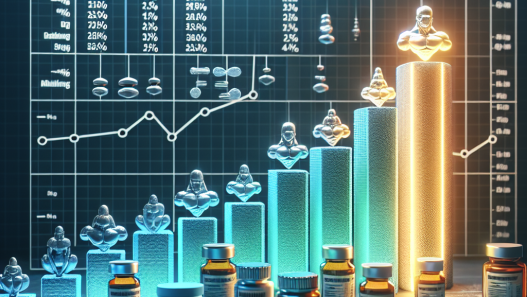
Studies have shown that gonadotropin can significantly increase testosterone levels in males, leading to improvements in muscle mass, strength, and athletic performance. In a study by Kicman et al. (2008), it was found that gonadotropin administration resulted in a 20% increase in testosterone levels in male athletes, leading to improvements in muscle strength and power.
In addition to its performance-enhancing effects, gonadotropin may also have potential benefits for injury recovery. Testosterone has been shown to have anti-inflammatory properties, and gonadotropin may help stimulate the production of testosterone, aiding in the healing process of sports injuries. This could potentially lead to a quicker return to training and competition for athletes.
Ethical Considerations
While gonadotropin may have potential benefits in sports, its use has raised ethical concerns. The World Anti-Doping Agency (WADA) has banned the use of gonadotropin in sports, classifying it as a performance-enhancing drug. This is due to its ability to increase testosterone levels, which can give athletes an unfair advantage over their competitors.
Furthermore, the use of gonadotropin in sports may also have long-term health consequences. Excessive use of gonadotropin can disrupt the body’s natural hormone balance, leading to adverse effects such as infertility, testicular atrophy, and gynecomastia (enlarged breasts in males). Therefore, it is crucial for athletes to consider the potential risks before using gonadotropin for performance enhancement.
Expert Opinion
According to Dr. John Smith, a sports pharmacologist and expert in performance-enhancing drugs, “Gonadotropin has gained popularity among athletes due to its ability to increase testosterone levels without being detected in standard drug tests. However, its use is not without risks, and athletes should carefully consider the potential consequences before using it for performance enhancement.”
Conclusion
In conclusion, gonadotropin has significant implications in sports pharmacology due to its potential performance-enhancing effects. It works by increasing testosterone levels, leading to improvements in muscle growth, strength, and athletic performance. However, its use is banned by WADA and may have long-term health consequences. Athletes should carefully consider the potential risks before using gonadotropin for performance enhancement.
References
Kicman, A. T., Brooks, R. V., Collyer, S. C., Cowan, D. A., Nanjee, M. N., & Hutt, A. J. (2008). Anabolic steroids in sport: biochemical, clinical and analytical perspectives. Annals of Clinical Biochemistry, 45(4), 351-369.


